December 23, 2025
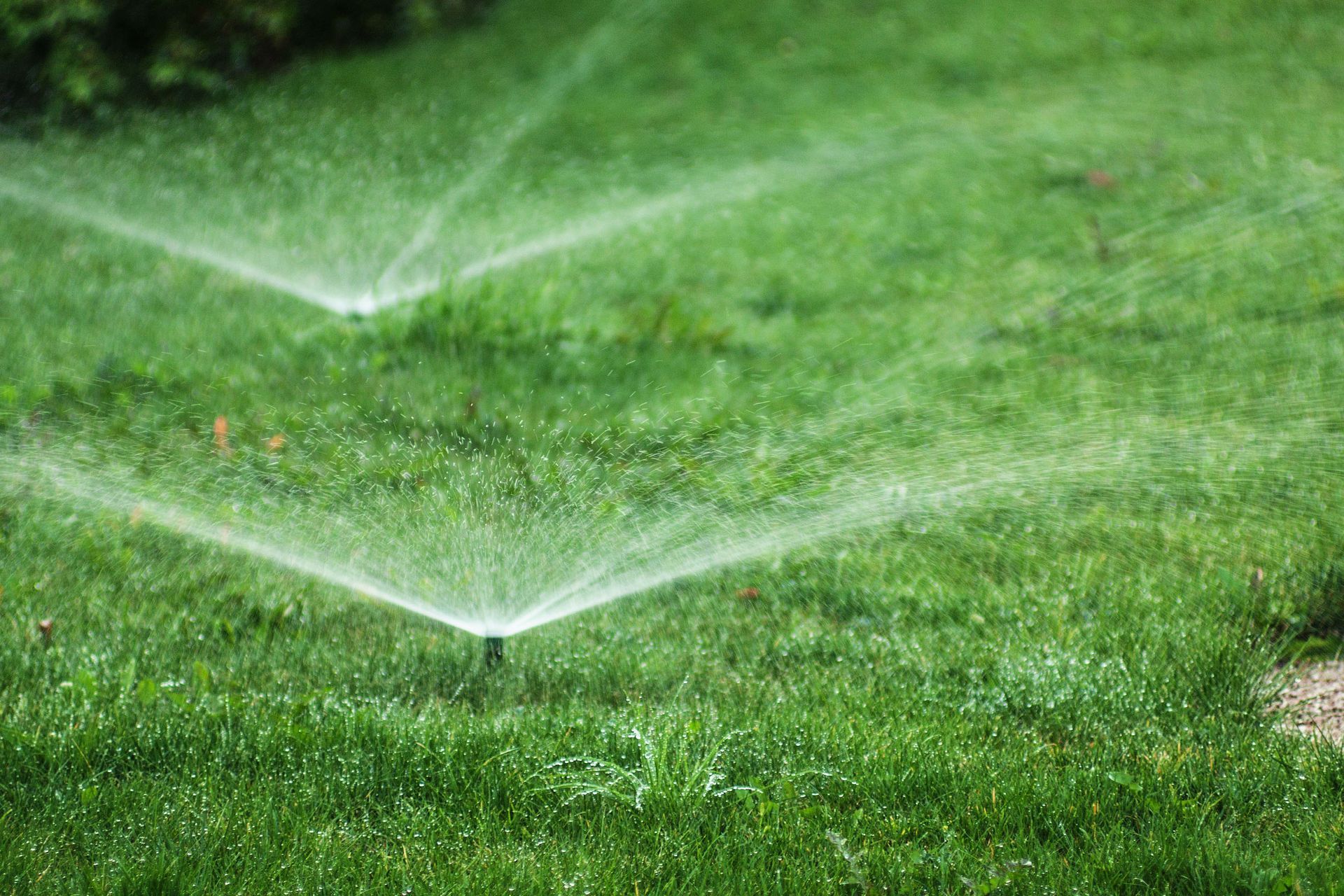
Irrigation plays a crucial role in maintaining a lush, healthy landscape, whether it's a domestic garden or a large commercial property. A well-maintained irrigation system ensures that plants receive the necessary amount of water they need to thrive. It helps conserve the vital resource of water, making irrigation an essential part of environmentally responsible landscaping. Over time, irrigation systems can become less efficient due to wear and tear, leading to water wastage and unhealthy plant growth. Therefore, hiring a professional irrigation service regularly is important to keep the system in top condition and ensure optimal landscape health.
Regular Maintenance
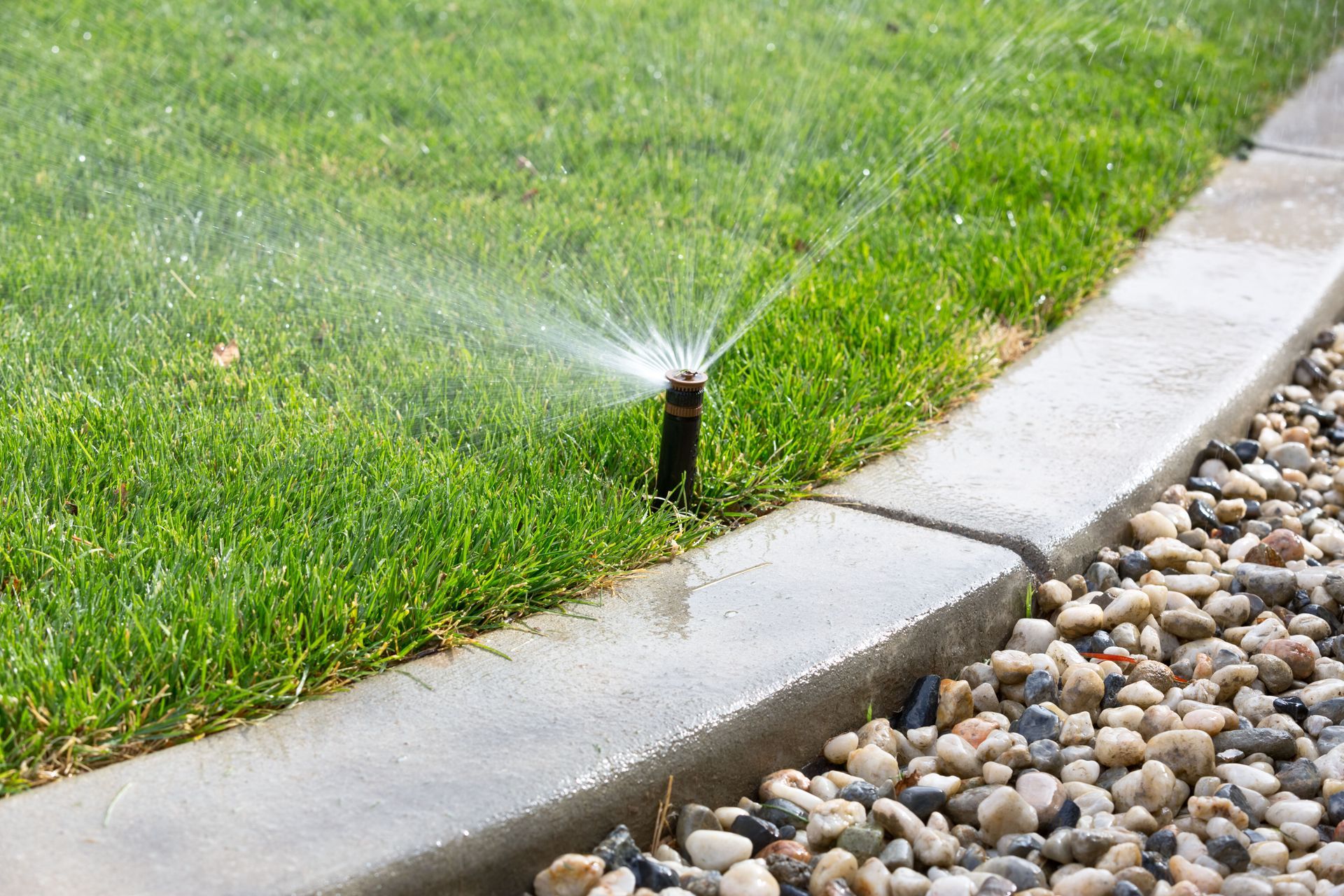
Regular maintenance is vital to ensure an irrigation system remains efficient and effective. Homeowners can perform routine checks to ensure there are no visible leaks or excessive water pooling. Periodic cleaning of filters and nozzles can prevent clogs and ensure optimal water distribution. Adjusting the watering schedule according to seasonal weather patterns helps in conserving water and promoting plant health, with most lawns requiring irrigation every four to eight days, according to the Natural Resources Conservation Service. Proactive maintenance also includes system winterization in colder climates to prevent damage from freezing temperatures.
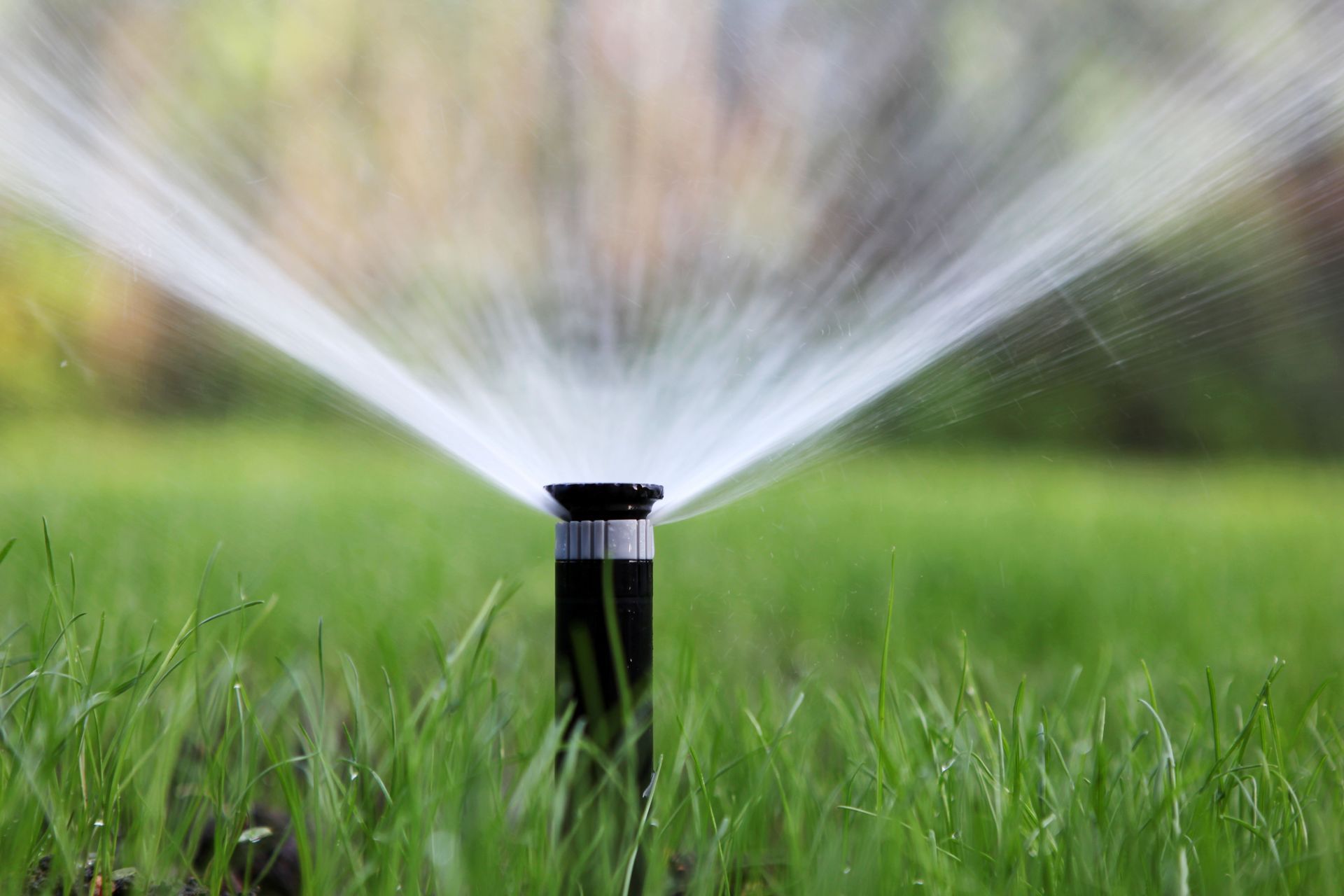
A visual inspection of each component can help catch problems early, preventing costly repairs down the line. Homeowners should regularly check for broken or misaligned sprinkler heads as these can lead to uneven watering and wasted resources. Monitoring the system's water pressure is important, as both too low and too high pressures can impact performance and lead to inefficiency. Ensuring valves operate smoothly and checking for any blockages or leaks in the pipelines form part of essential maintenance checks. Many of these tasks are manageable for homeowners, contributing to the system's longevity and performance.
A Malfunctioning System
A malfunctioning irrigation system can lead to inefficient water use and poor landscape health, with specific signs indicating potential issues. Uneven water distribution, apparent through dry spots or overly saturated areas, is a clear symptom of system malfunction. High water bills may also suggest leaks or inefficient water usage. Observing runoff or puddling indicates that the system isn't absorbing water efficiently, often due to clogs or incorrect settings. Additionally, a lack of pressure or frequent blowouts could point to issues within the piping or valve systems.
Discolored Plants
Discolored or underperforming plants may also be an indicator of irrigation issues, as they often reflect insufficient or excessive water supply. Brown or yellow patches on a lawn usually signify a problem with sprinklers not reaching specific areas adequately. Regular inspection can help detect these issues early and facilitate timely repairs. The efficient operation of all system components ensures each corner of the landscape receives the required amount of water. Addressing these signs promptly with an irrigation service can prevent escalated damage and costly repair work.
Visible signs are just the start of potential irrigation problems which can be further diagnosed with professional assistance from an irrigation service. Technicians equipped with the right tools can check for subsurface leaks and verify system pressure and flow rates. These professionals use their expertise to pinpoint exact problem locations and recommend suitable solutions. A qualified evaluation is key to ensuring each component functions correctly, maximizing both system efficiency and landscape health. Addressing these issues prevents wastage, supports plant life, and maintains a verdant and well-kept exterior.
Water Conservation and Efficiency
Water conservation and efficiency are critical aspects of a well-functioning irrigation system, contributing to environmental sustainability and cost savings. A well-maintained system minimizes unnecessary water use while ensuring plants receive sufficient hydration. Implementing efficient irrigation scheduling, including adjusting run times and flow rates, leads to optimal performance. Utilizing sensors and smart controllers can dynamically adjust watering based on real-time weather data, ensuring efficient water application.
A smart irrigation system can make a significant difference in water conservation, helping avoid over-application, which often leads to wastage. Drip irrigation systems, though initially an investment, offer a long-term solution by delivering water directly where it's needed, thus reducing evaporation. Selecting drought-tolerant plant species or implementing xeriscaping techniques further enhances landscape resilience and reduces water demand. Additionally, aerating soil can aid in better water absorption and reduce runoff. Partnering with an irrigation service can offer homeowners bespoke solutions tailored toward maximizing efficiency and minimizing resource consumption.
Poor Weather Conditions
Non-predictable weather events, such as droughts or unseasonably high temperatures, can impact irrigation service frequency. During prolonged dry spells, systems may require adjustments or upgrades to meet additional demands without wasting water. Meanwhile, excessive rain may necessitate recalibration of controllers to avoid watering too much and root rot. Professionals often recommend seasonal checks to adjust irrigation systems according to these climate changes. Properly managed schedules ensure landscapes receive consistent care while avoiding unnecessary water usage during periods of heat or rainfall.
Plants With Demanding Needs
The diversity of vegetation and the design of a landscape are critical determinants of irrigation service frequency. Different plant species have varied water requirements; for example, succulents have low water needs whereas tropical plants demand more frequent watering. Lawns containing hardy grasses may need less water than decorative flower beds or vegetable gardens. Additionally, landscapes with trees and shrubs may benefit from less frequent deep watering, promoting deep root growth and increasing resistance to drought. Tailoring irrigation services to align with the specific plant types ensures optimal health and reduces water waste.
Landscape Density and Slope
Landscape design elements such as the layout and elevation also influence irrigation needs. Sloped areas might experience runoff and may necessitate tailored watering approaches to ensure proper absorption. Meanwhile, densely planted areas often have higher water requirements, needing careful scheduling to ensure even distribution. Mulching around plants can minimize evaporation and retain soil moisture, reducing overall irrigation requirements. Analyzing the landscape allows irrigation service professionals to develop bespoke service plans that accommodate both the layout and plant species involved, ensuring efficacy and resourcefulness in water use.
Soil Type and Quality
Soil type and quality play a pivotal role in determining appropriate irrigation service schedules. Soils vary in their water absorption and retention capabilities, which affects how often watering is needed. Sandy soils, for instance, drain faster and require more frequent irrigation sessions to maintain adequate moisture levels. Conversely, clay soils retain water longer but may require careful monitoring to prevent watering too much and encourage proper drainage. Conducting a soil analysis can provide insights into its texture, structure, and nutrient content, helping to tailor irrigation services to optimize water usage effectively.
System Age and Condition
The age and condition of an irrigation system are significant factors in determining the frequency of service requirements. Older systems are generally less efficient and more prone to malfunctions such as leaks, requiring more frequent inspections and maintenance to maintain optimal performance. As parts wear out over time, replacing or upgrading components like controllers, valves, and emitters can help maintain efficiency and reduce water waste. Continuous use without regular maintenance may lead to cumulative wear on pipes and fittings, causing unexpected breakdowns and increased service needs. Regular evaluations can identify parts nearing the end of their lifespan and facilitate proactive replacements to avert service disruptions.
Maintaining an efficient irrigation system is essential for preserving the health, appearance, and sustainability of any landscape. From routine maintenance and early detection of malfunctions to adapting for weather conditions, soil types, and plant requirements, each factor plays a role in how well an irrigation system performs. Regular professional servicing helps identify hidden issues, improve water efficiency, and extend the lifespan of system components. By investing in proactive care and tailored irrigation solutions with S & T Landscaping & Irrigation, you can reduce water waste, control costs, and support long-term landscape vitality. Get started today by reaching out to us for our excellent services!